Where to stay
Where to stay in Kamakura
This page contains affiliate links. Booking through them costs you nothing extra and supports the site. Details.
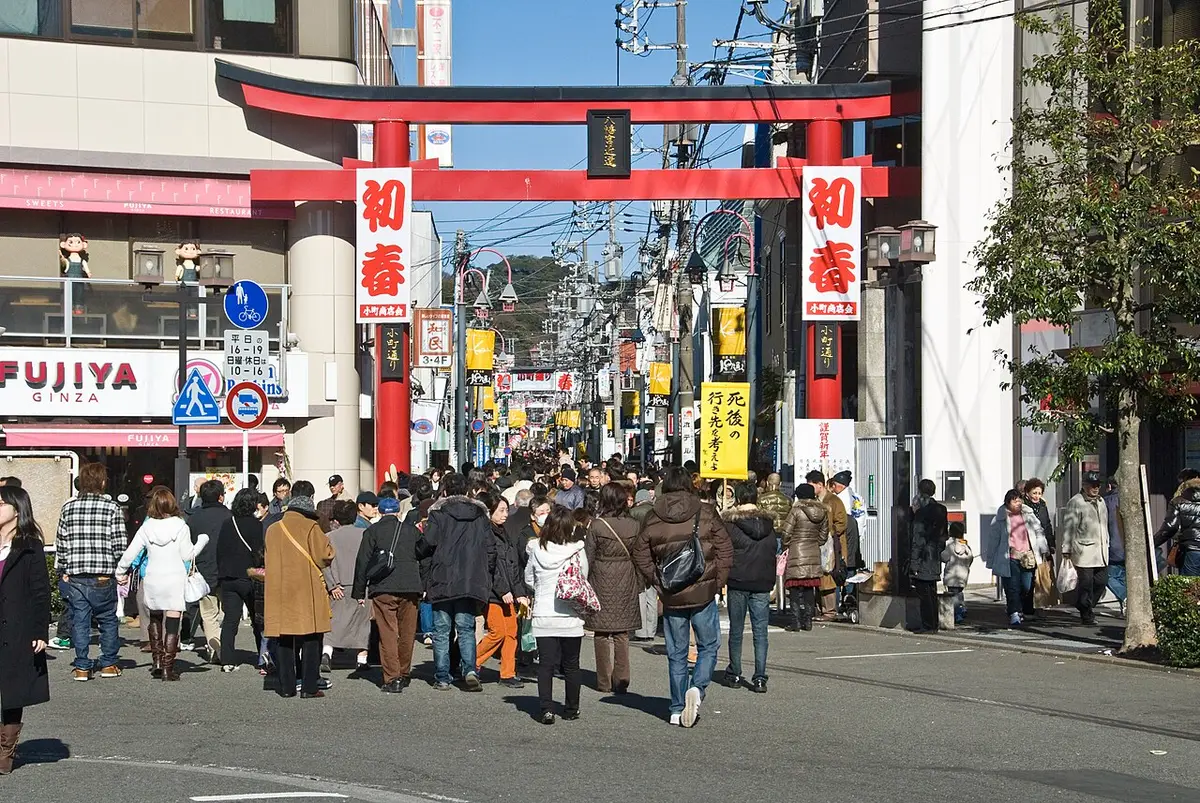
Table of contents
Stay near Kamakura Station if this is your first visit and you want trains, food and Tsurugaoka Hachimangu on your doorstep. Stay in Hase or Yuigahama if the Great Buddha, Hasedera and the beach are the reason you came. Kita-Kamakura is for Zen temples and quiet nights, the Shichirigahama coast for sea views and sunsets over Enoshima, and Ofuna or Fujisawa for chain hotels when the center is full. The first question is whether to stay at all: Tokyo is 56 minutes away, so a night here only pays off on certain dates and for certain plans. That comes first, then 19 places to sleep, area by area.
Stay overnight or day-trip from Tokyo?
Most visitors do not stay. In 2025 the City of Kamakura counted 16,061,205 tourist visits but only 510,695 overnight guests. Nearly everyone arrives in the morning and rides back to Tokyo in the late afternoon, which is exactly why a night here changes the trip. You get the temples before the first trains from Tokyo arrive, and the streets and beaches after they leave.
A day trip is the better plan if you are on a weekday outside the flower seasons, only want the big three (the Great Buddha, Hasedera and Tsurugaoka Hachimangu) and can catch an early train. Tokyo to Kamakura costs ¥1,034 with an IC card. Our day trip guide has the trains, and the itinerary page has timed routes.
Who should stay the night
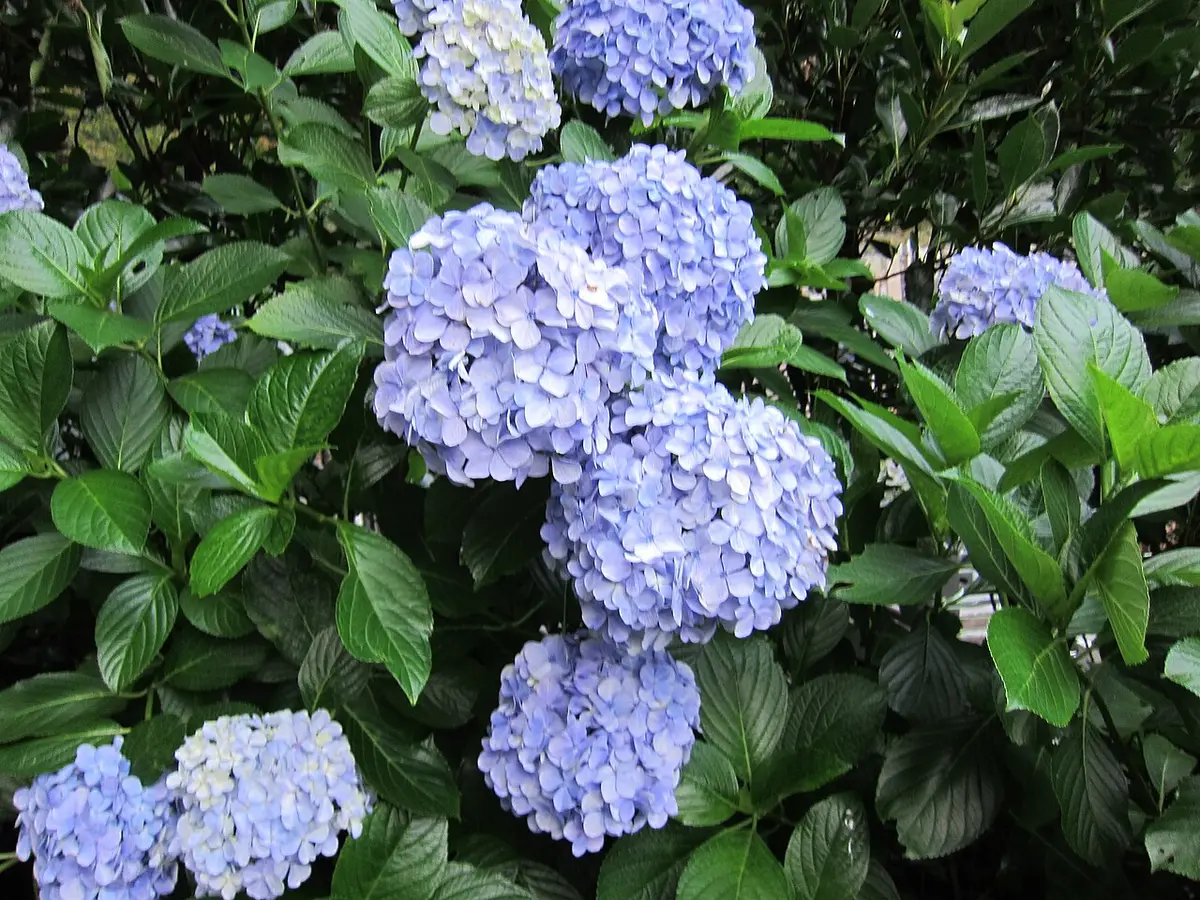
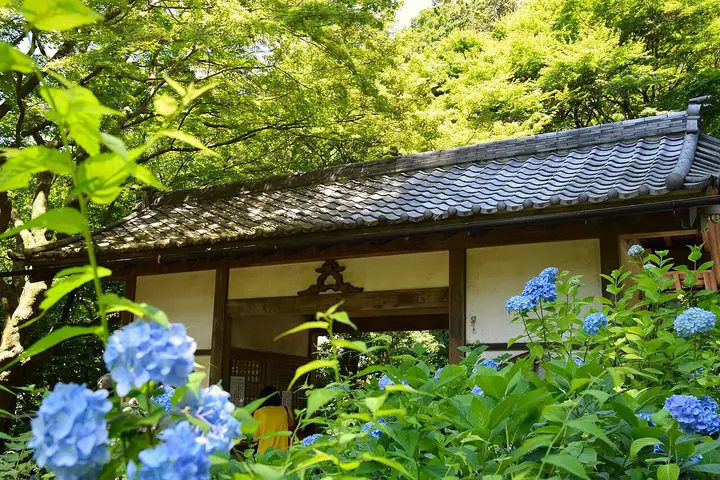
Hydrangea weekends in June. June is Kamakura’s busiest month after January: 1,676,678 visits in June 2025. Hasedera has needed numbered or timed tickets for its hydrangea path in recent seasons, and in 2026 it sold timed tickets online each week; Meigetsu-in opened at 8:30 in June 2026 instead of 9:00, according to the City Tourism Association. Sleeping in Kita-Kamakura or Hase puts you at the gate before the queue. The dates below are modelled from Japan Meteorological Agency first-bloom records for the Yokohama observatory, not Kamakura peak dates:

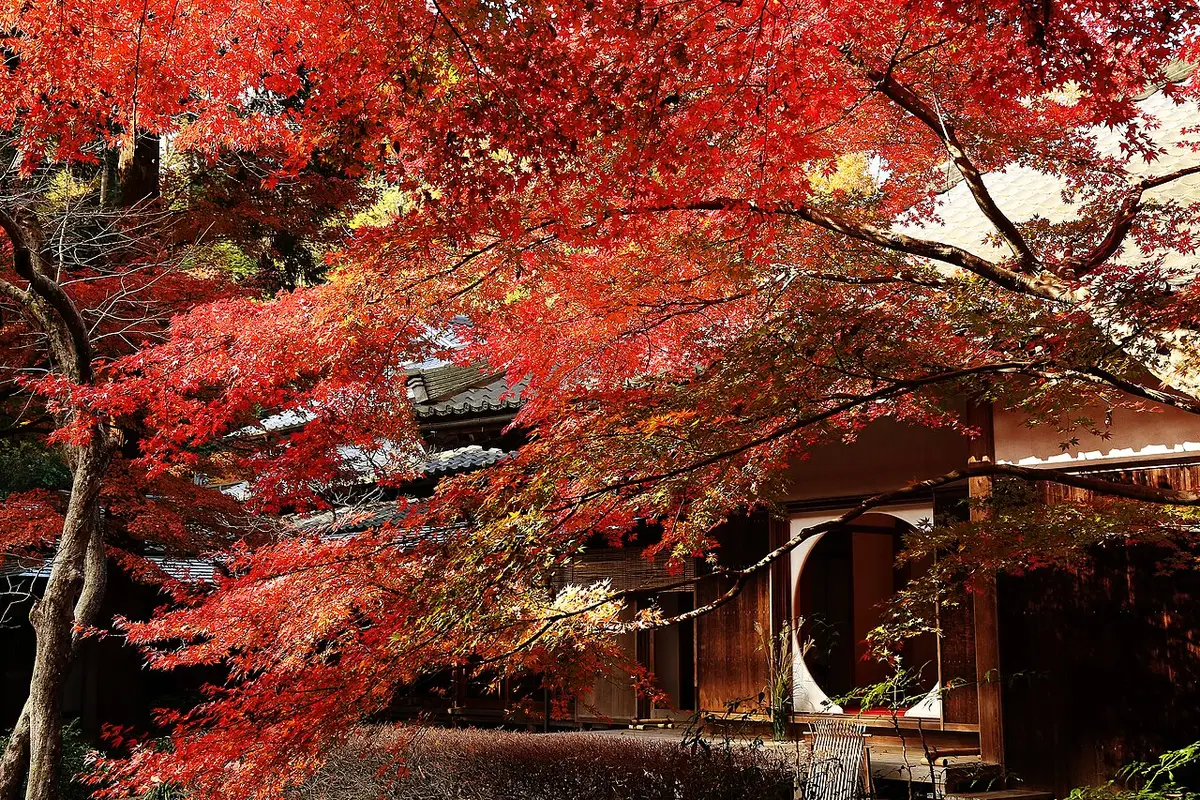
Autumn-leaf weekends. Color starts around Kita-Kamakura, and the City Tourism Association puts the peak from late November into early December. Engakuji opens at 8:30, a few minutes’ walk from Kita-Kamakura Station.
Early starts at the big temples. Hasedera opens at 8:00, and so does Kotoku-in, home of the Great Buddha. Tsurugaoka Hachimangu’s gates open at 6:00. If you stay in Hase you can walk to both temples for opening time; from Tokyo you would need to leave before 7:00.
Sunset on the coast. From Shichirigahama and Inamuragasaki you watch the sun go down over Sagami Bay, with Enoshima in front and, on clear days, Mount Fuji behind. On 1 December 2027 it sets at 16:29, on 1 June at 18:51 (Yokohama times from the National Astronomical Observatory). Staying on the coast or in Hase means a short Enoden ride home instead of a packed evening train to Tokyo.
New Year. January is the busiest month of all (3,534,709 visits in 2025), most of them for the first shrine visit at Tsurugaoka Hachimangu. Book early or base yourself in Ofuna.
On any busy day, the city’s live crowd map shows how full the main streets and stations are. Pick your dates in the calendar and the best time to visit page, or let the day planner show which morning slot beats the crowds.

Kamakura Station and Komachi-dori
This is the most practical base. JR trains to Tokyo, Shinjuku and Yokohama and the Enoden to Hase and Enoshima share one station. The east exit opens onto Komachi-dori and Wakamiya-oji, and Tsurugaoka Hachimangu is about 13 minutes on foot. The west exit side, along Onari-dori, is calmer, with cafes and local shops. Restaurants stay open later here than in Hase. Hasedera and the Great Buddha are 4 minutes away on the Enoden to Hase (¥200), and Kita-Kamakura is one JR stop north (¥155). Pick the east side for shrine mornings and evening food, the west side for quiet.
Hotel Metropolitan Kamakura
Hotel Metropolitan Kamakura is the station-front hotel of JR East’s Metropolitan group, a 2-minute walk from the JR east exit on Wakamiya-oji, the avenue that leads straight to Tsurugaoka Hachimangu. It has 138 rooms, a Cafe&Meal MUJI restaurant and a MUJI store on site, so breakfast and forgotten essentials are covered. It suits first-time visitors, couples and anyone with luggage who wants the shortest walk from the train and the shrine at the end of the street. Komachi-dori is a block away. Book early for June and November weekends.
Type City hotelStation Kamakura (JR, Enoden), east exitWalk 2 min (hotel)Rooms 138MapOfficial site
LACER SUITES KAMAKURA
LACER SUITES KAMAKURA is the former Kamakura Seizan, now run by CREAL HOTELS, a 3-minute walk from the west exit in the quiet Onarimachi streets. It has 36 rooms and a garden restaurant that serves breakfast. The hotel has no parking and no bicycle parking, so come by train. The west side keeps you away from the Komachi-dori crowd while the station is still just around the corner. It suits couples and travelers who want a calm, design-led room within easy reach of the station, and who plan to eat out on Onari-dori in the evening.
Type Boutique hotelStation Kamakura, west exitWalk 3 min (hotel)Rooms 36MapOfficial site
Tosei Hotel Cocone Kamakura
Tosei Hotel Cocone Kamakura sits on Onari-dori, a 4-minute walk from the west exit of Kamakura Station. It is a business hotel with a Japanese-modern look and two things most Kamakura hotels lack: a large shared bath (daiyokujo) for a soak after a day of temple steps, and a free drink corner. Room types range from standard rooms to Japanese-modern rooms and family rooms. It suits travelers who want solid value close to the trains, families who need a larger room, and anyone who likes a hot bath at night. It is our best-value pick for the center.
Type Business hotel with shared bathStation Kamakura, west exitWalk 4 min (hotel)MapOfficial site
GEN HOTEL KAMAKURA
GEN HOTEL KAMAKURA is a small hotel in Yukinoshita, on the Wakamiya-oji side of the station toward Tsurugaoka Hachimangu. The listing describes rooms with a kitchenette, some with tatami floors, and a 24-hour front desk. Being closer to the shrine than to the station means you can be among the first through the shrine’s gates when they open at 6:00, then walk back down Wakamiya-oji for breakfast. It suits small groups and longer stays where a kitchenette helps, and travelers who would rather wake up near the shrine than near the trains.
Type Small hotel with kitchenettesStation Kamakura, east exitArea Yukinoshita, toward the shrineMap

Hase and Yuigahama
Hase is the Kamakura of the postcards: Hasedera and the Great Buddha are a short walk from Hase Station, and the beach at Yuigahama is at the end of the street. Kotoku-in is about 10 minutes on foot from Hase Station and Hasedera about 6 minutes. At night the area is quiet, with fewer restaurants than the center, so plan dinner. Yuigahama, between Hase and Kamakura Station, has the most guesthouses and the beach on its doorstep. Sakanoshita, the old fishing quarter east of Hase Station, is where the small inns cluster. The Enoden links all of it: Kamakura to Hase is 4 minutes, Kamakura to Yuigahama 3 minutes (Enoden fares). See the Enoden guide for queues and passes, and the beaches page for swimming season.
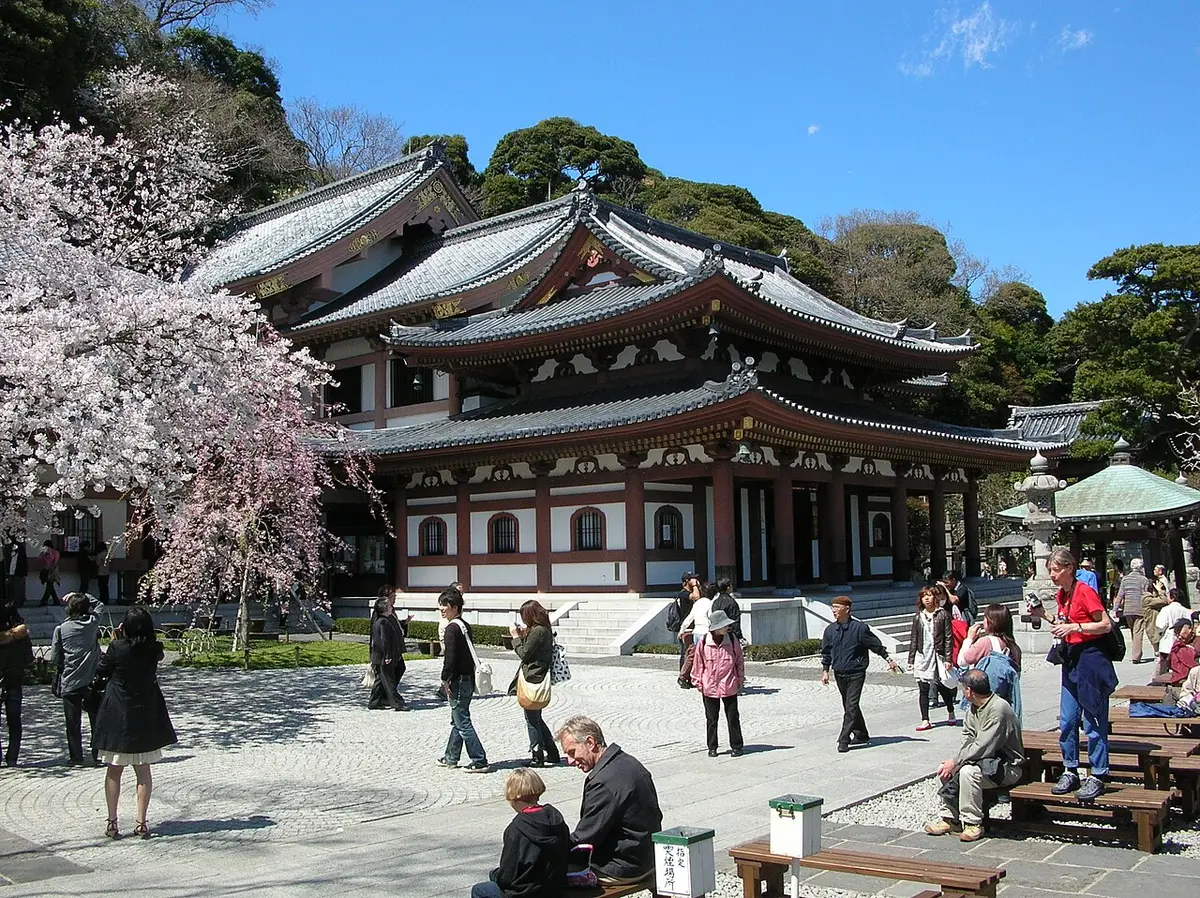

Kamakura Park Hotel
Kamakura Park Hotel stands on the coast road in Sakanoshita, facing Sagami Bay, about a 12-minute walk (900 m) from Hase Station, or about 10 minutes by taxi from Kamakura Station. The listing describes European-style rooms with ocean views and marble bathrooms, French and Japanese restaurants and a spa salon. No taxis wait at Hase Station, so call one ahead or plan to walk. It suits couples and older travelers who want a classic seaside hotel, a proper dinner without leaving the building, and the beach across the road. It is the most traditional upscale choice in Hase.
Type Seaside hotelStation Hase (Enoden)Walk 12 min, 900 m (hotel)MapOfficial site
Japanese Modern Inn Kamakura Rakuan Hanare
Kamakura Rakuan Hanare is the annex of a small inn in Sakanoshita, a street back from the road that runs from Hase Station to the sea. It is the closest of the Hase inns to the station. The listing describes renovated rooms with tatami floors and private bathrooms, family rooms, bicycle hire and luggage storage. It takes only a few groups at a time, so it feels like staying in a house rather than a hotel. It suits couples and families who want a Japanese-style room, a short walk to Hasedera and Kotoku-in for opening time, and the beach close by for the evening.
Type Japanese-style innStation Hase (Enoden)Area SakanoshitaMap
modern ryokan kishi-ke
modern ryokan kishi-ke is a private house in Sakanoshita between Hase Station and the coast, let to one party at a time. The listing describes two bedrooms and two bathrooms, a kitchenette, a terrace and garden, a hot tub, and breakfast served in the room. It is a ryokan in name and spirit rather than a large inn: you get the whole place, so it works best for families or two couples traveling together. It suits a slow two-night stay in Hase with mornings at Hasedera and the Great Buddha and evenings on Yuigahama or Zaimokuza beach.
Type Whole-house ryokanStation Hase (Enoden)Area SakanoshitaMap
Guest House Kamakura Zen-ji
Guest House Kamakura Zen-ji is a small guesthouse in a temple-style building at the western end of Sakanoshita, between Hase and Gokurakuji stations and close to the shore. It is adults only. The listing describes tatami rooms with shared bathrooms, a lounge and garden, and yoga, hiking and cycling on offer. Zen-ji suits solo travelers and couples on a budget who want a Japanese-style room and a calm house, and who do not mind sharing a bathroom. Gokurakuji and Jojuin are an easy walk west, Hasedera an easy walk east.
Type Guesthouse, adults onlyStation Hase or Gokurakuji (Enoden)Bathrooms SharedMap
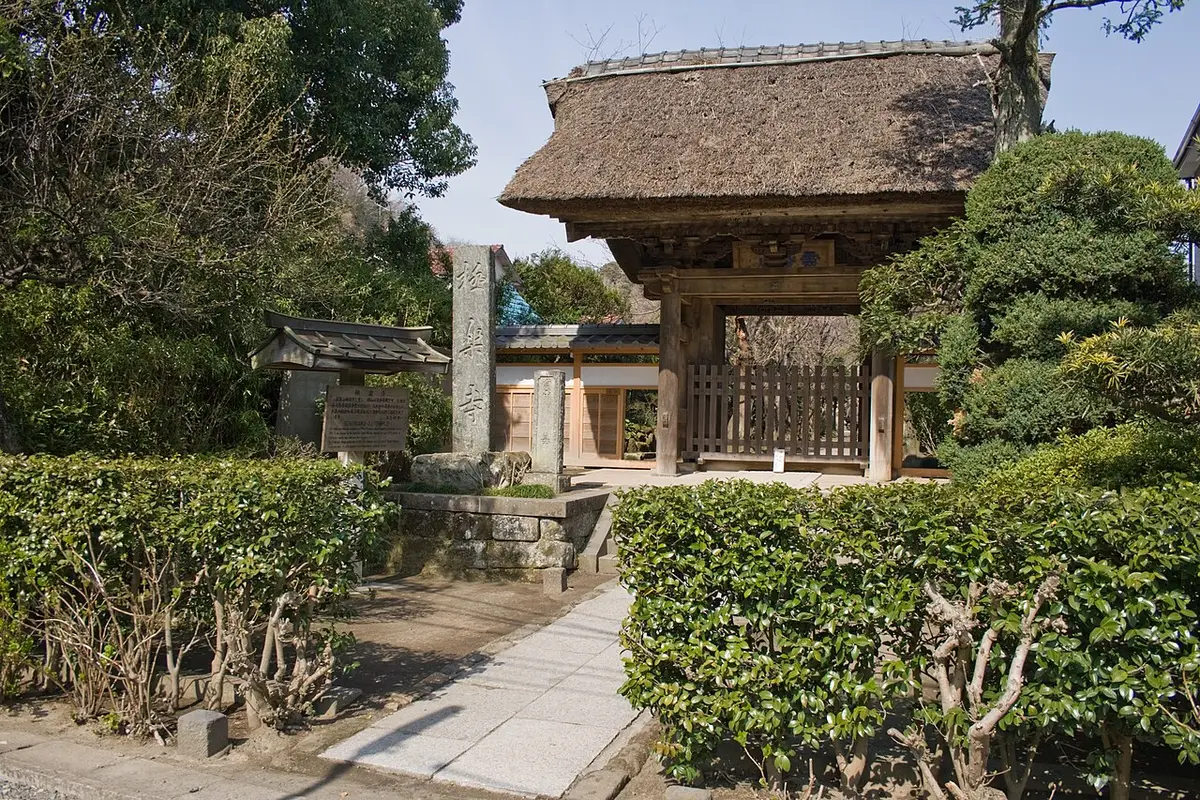

Kaihinsou Kamakura
Kaihinsou Kamakura is a ryokan on a quiet residential street right by Yuigahama Station, close to the beach. The listing describes traditional Japanese rooms with tatami floors and private bathrooms, garden views, yukata, a public bath and a lounge. It is one of the few places in central Kamakura that feels like a classic ryokan, yet it is only 3 minutes by Enoden from Kamakura Station. It suits travelers who want one traditional night in Kamakura, couples, and anyone who wants the beach and Hase within walking distance.
Type RyokanStation Yuigahama (Enoden)Area Yuigahama 4-chomeMap
WeBase KAMAKURA
WeBase KAMAKURA is a resort-style hotel a 3-minute walk from Yuigahama Station and a 1-minute walk from Yuigahama beach. It runs its own teppanyaki restaurant, Kou, so dinner is on site, which matters in Yuigahama, where evening options are thin outside summer. It suits surfers, beach-season visitors, groups of friends and families who want the sea at the end of the street, with Hasedera and the Great Buddha a short Enoden ride or a walk away.
Type Resort-style hotelStation Yuigahama (Enoden)Walk 3 min (hotel)Beach 1 min (hotel)MapOfficial site
BIRD HOTEL
BIRD HOTEL is a garden hotel near Yuigahama Station, a few streets from the beach. The listing describes rooms with balconies and garden views, a restaurant and bar, a sun terrace and a public bath, with breakfast that features local produce. The garden setting makes it feel more like a country inn than a beach hotel, though the sea is close. It suits couples on a weekend away, food-focused travelers who want a good dinner on site, and anyone who wants a quieter alternative to the station area with Hase in walking distance.
Type Garden hotel and restaurantStation Yuigahama (Enoden)Area Yuigahama 4-chomeMap
plat hostel keikyu kamakura wave
plat hostel keikyu kamakura wave is a hostel run by the Keikyu railway group in Yuigahama 2-chome, on the south-west side of Kamakura Station toward the beach. The listing describes private rooms including family rooms with their own bathrooms, a shared kitchen, a bar, a lounge and a sun terrace, with English-speaking staff at reception. It is our budget pick: you are close enough to walk to the station and the shore, and the kitchen keeps food costs down. It suits backpackers, solo travelers, young families and surfers who want a social base.
Type HostelStation Kamakura (JR, Enoden)Area Yuigahama 2-chomeMap
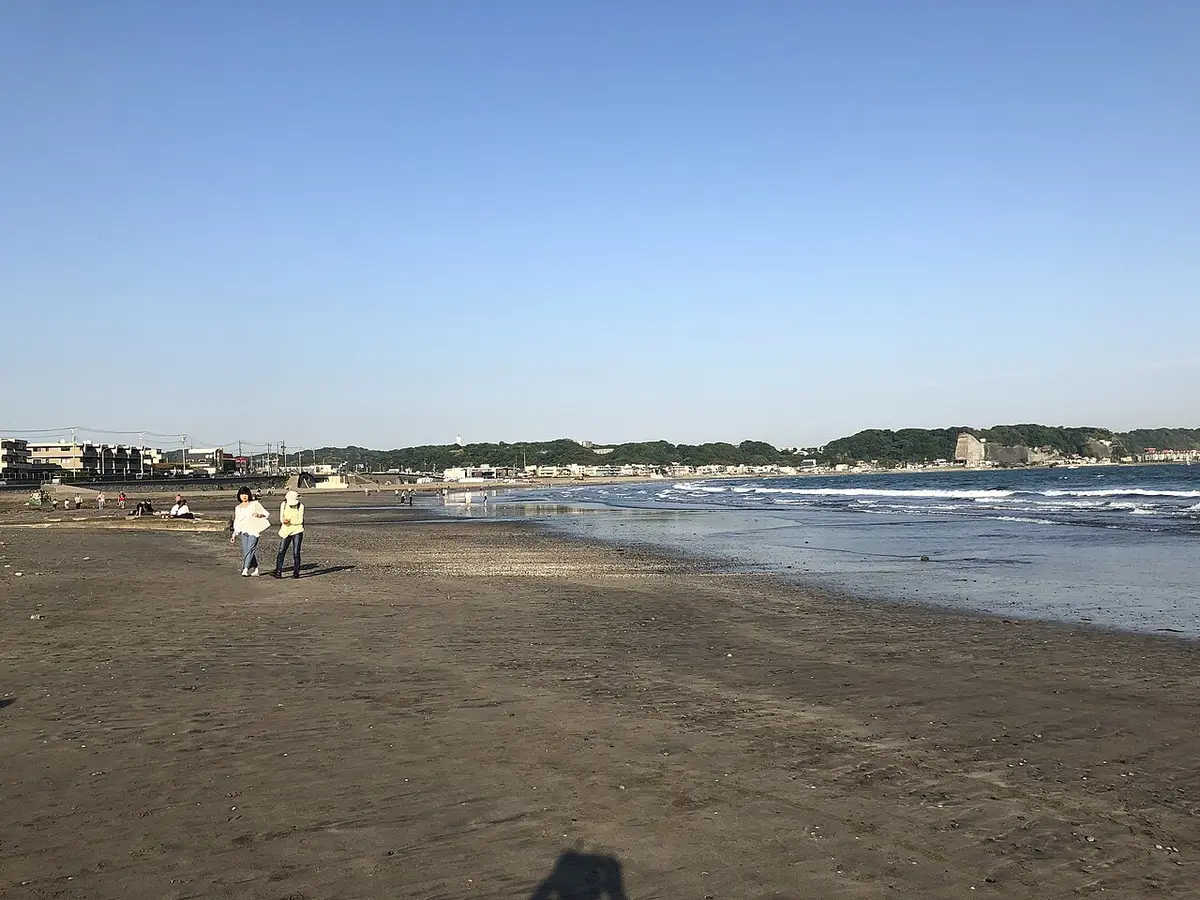

Kita-Kamakura
Kita-Kamakura is a small station in a wooded valley one JR stop north of Kamakura (3 minutes, ¥155). Engakuji is about 4 minutes on foot from the station, Tokeiji about 6 and Meigetsu-in about 11; Kenchoji is about 16 minutes away on the road to Tsurugaoka Hachimangu. There are almost no hotels, only a few rental houses and inns, and the area goes to sleep early with very few places to eat at night. That is the point. Stay here for hydrangea season at Meigetsu-in or the autumn leaves at Engakuji, and you can be at the gate when it opens. It is also the start of the Tenen and Daibutsu hiking trails.
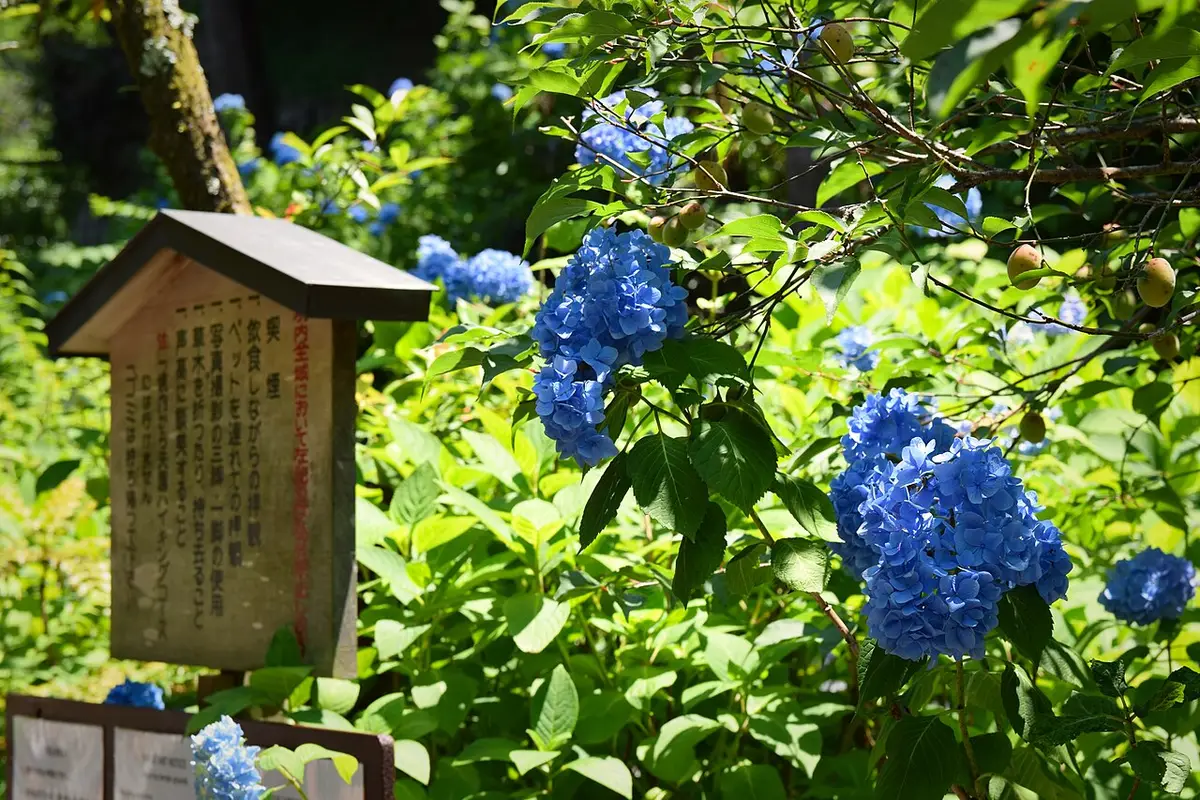

Kita-Kamakura 520
Kita-Kamakura 520 is a small Japanese-style inn in Yamanouchi, right by Kita-Kamakura Station, so Engakuji and Tokeiji are minutes away on foot. The listing describes rooms with tatami floors, private bathrooms and a garden, with menus for special diets. A related listing under the same 520 name nearby offers a larger unit with a kitchen. It suits couples and solo travelers who come for the Zen temples, the hydrangea or leaf season, or an early start on the trails, and who want to be in a quiet valley rather than in town.
Type Japanese-style innStation Kita-Kamakura (JR)Area YamanouchiMap
Tokaro Kamakura (藤花楼)
Tokaro Kamakura is a rental house with bed-and-breakfast service in Yamanouchi, the district around Kita-Kamakura Station, on the side toward Ofuna. The listing describes two bedrooms and a living room, a hot tub, a garden and a kitchen, with family rooms and off-site parking. It works for families and small groups who want space and a base for several days in the temple valley, with Engakuji, Meigetsu-in and Kenchoji in walking range and Kamakura one JR stop away. Expect a residential, very quiet setting and few dinner options nearby, so plan to cook or eat in town.
Type Rental house, B&BStation Kita-Kamakura (JR)Area YamanouchiMap
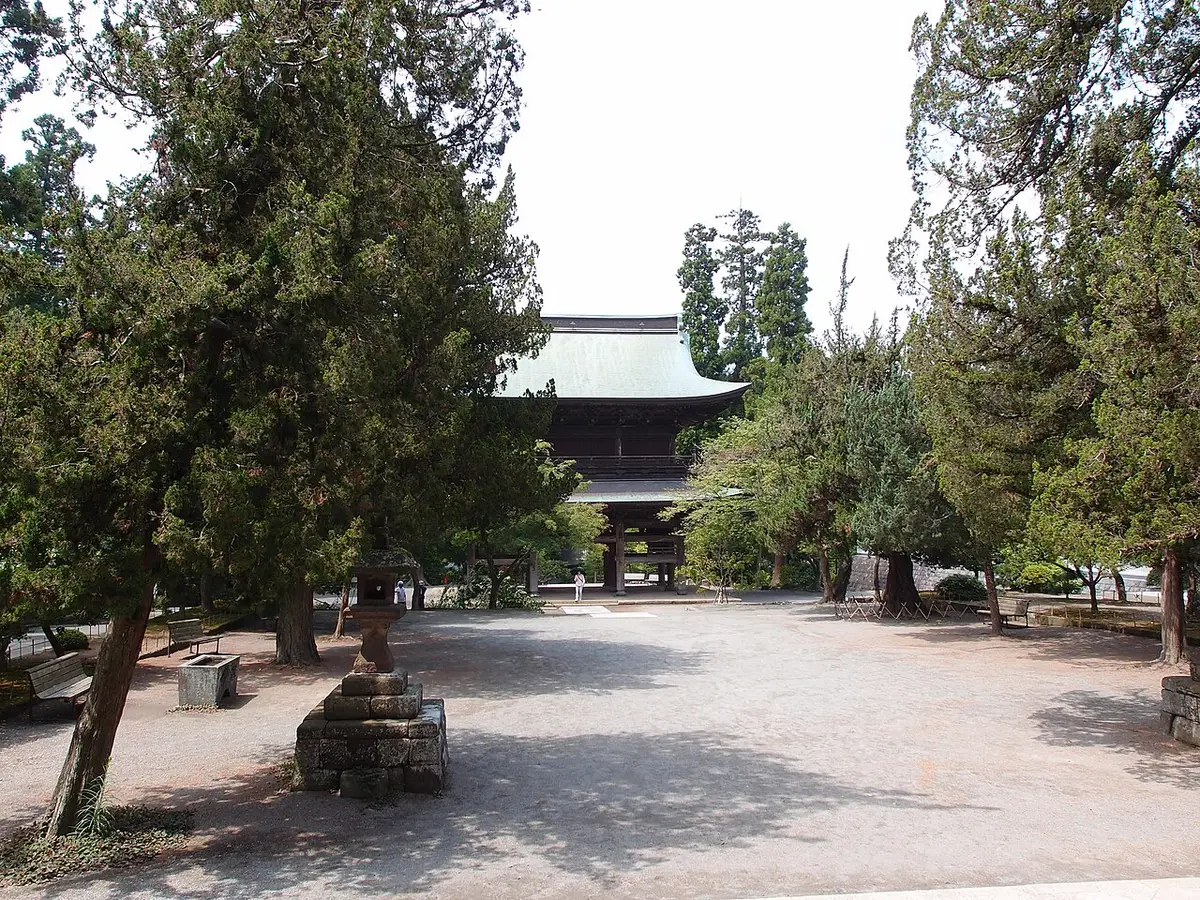

Shichirigahama and the coast
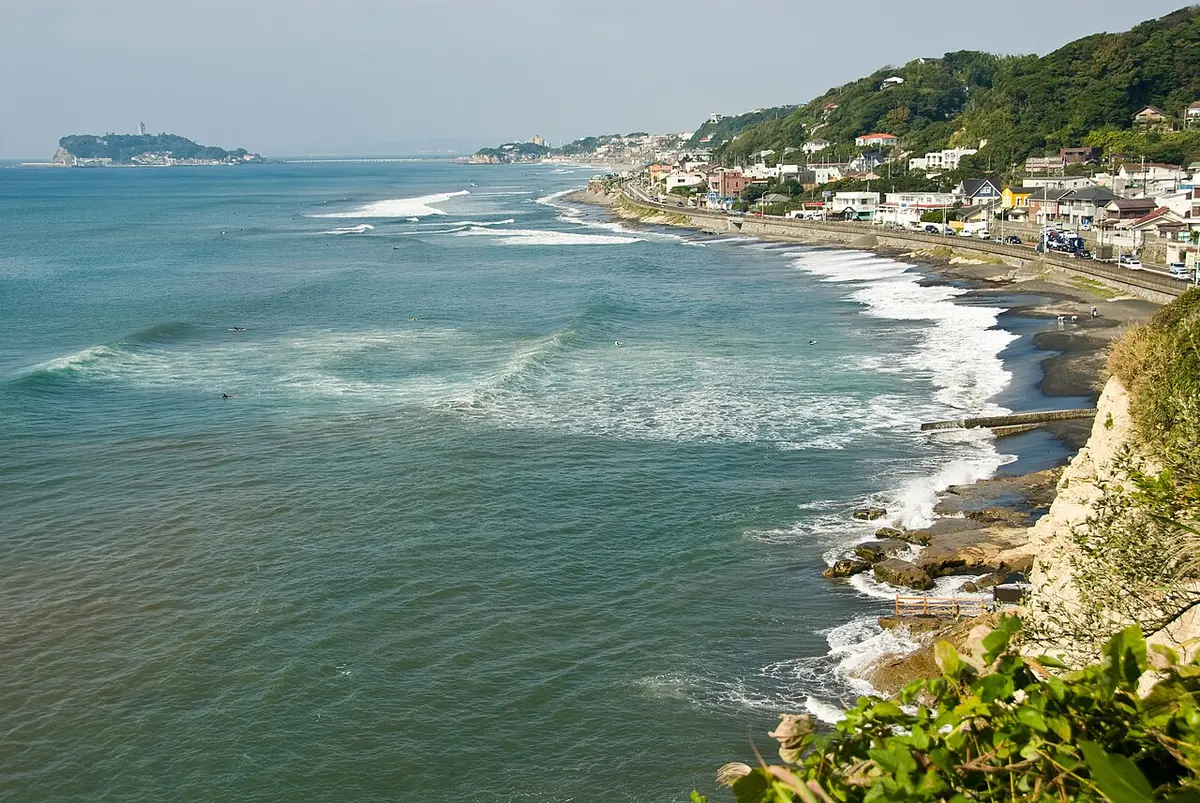
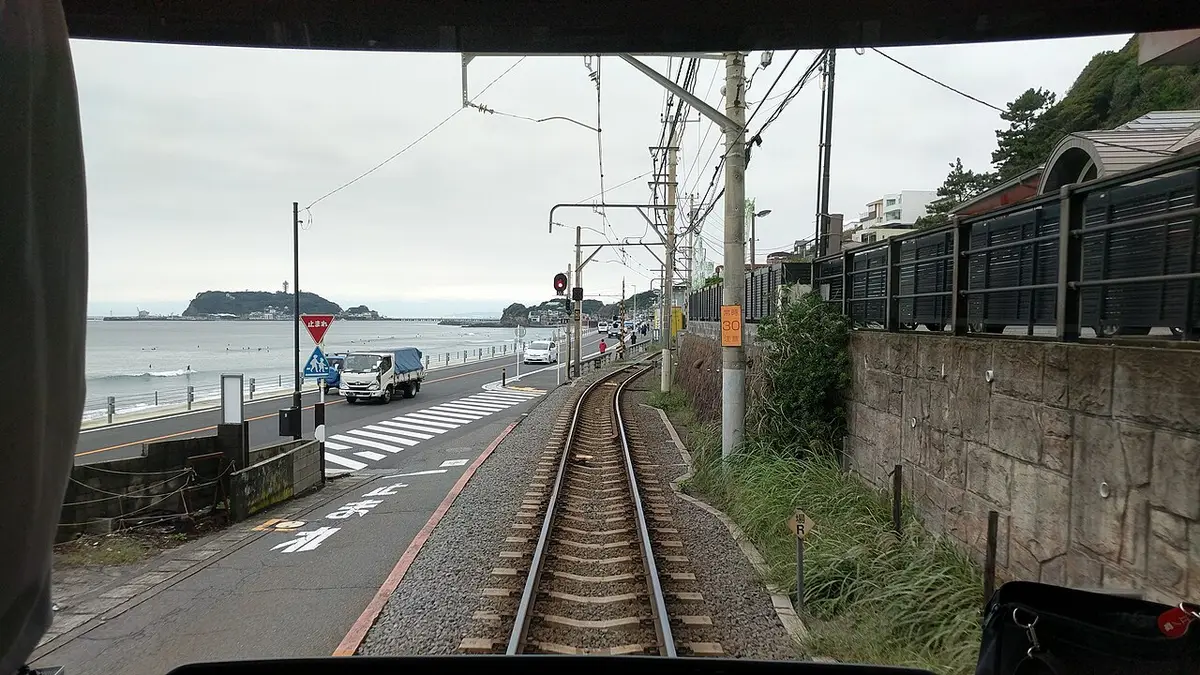
West of Hase the Enoden runs along the sea through Inamuragasaki, Shichirigahama and Kamakura-kokomae. This stretch faces Enoshima across the water, with Mount Fuji behind it on clear days. It is the place to stay for sunsets and sea views, not for temples: Kamakura Station is 17 minutes by Enoden from Shichirigahama (¥260), and Enoshima is 4 minutes on from Kamakura-kokomae. There are few restaurants after dark. For hotels on and near Enoshima itself, see our Enoshima stay guide.

Kamakura Prince Hotel
Kamakura Prince Hotel sits on the hill above Shichirigahama beach. Every room faces the ocean, and from the resort pool you can see Mount Fuji on clear days. The hotel is an 8-minute walk from the east exit of Shichirigahama Station, or about 5 minutes on its free shuttle bus; an inclined elevator takes you down to the beach in about 3 minutes. It is our splurge pick: the place to watch the sun go down behind Enoshima with a drink in hand. It suits couples, families who want a pool, and anyone who values the view over being in town.
Type Resort hotelStation Shichirigahama (Enoden)Walk 8 min (hotel)Shuttle free, about 5 minMapOfficial site
Hotel134
Hotel134 is a small hotel on the second floor of a building on Route 134, the coast road at Shichirigahama, close to Shichirigahama Station. The listing describes rooms with sea views, some with a terrace or balcony, and self check-in. There is no restaurant, so you eat at the cafes along the coast road. It suits couples and surfers who want the beach across the road and the sunset over Enoshima from the window, at a lower cost than the Prince.
Type Small hotel, self check-inStation Shichirigahama (Enoden)Area Route 134 seafrontMap
Ofuna and Fujisawa: cheaper bases
When central Kamakura is full, or you want a chain hotel with predictable rooms, look one step out. Ofuna is two stops north of Kamakura on the JR Yokosuka Line, through Kita-Kamakura, and many Tokaido Line trains to and from Tokyo stop there too. From Ofuna the Shonan Monorail runs to Shonan-Enoshima in 14 minutes (¥340). Fujisawa is the western end of the Enoden: Kamakura is 37 minutes away by the coast route (¥310), Enoshima 10 minutes. Fujisawa is also on the Odakyu Line, which makes it the natural base if you use the Enoshima-Kamakura Freepass. Our Enoshima stay guide lists more Fujisawa hotels.
Sotetsu Fresa Inn Kamakura-Ofuna Kasamaguchi
Sotetsu Fresa Inn Kamakura-Ofuna Kasamaguchi is a business hotel at the Kasama exit on the north side of Ofuna Station. The listing describes compact rooms with private bathrooms, free bicycles, a 24-hour front desk and a daily breakfast. A second Sotetsu Fresa Inn stands by Ofuna’s east exit; check which one you book, because the exits are on different sides of a large station. It suits budget travelers, people combining Kamakura with Yokohama, and anyone who wants a dependable chain room at the station when Kamakura’s small inns are sold out.
Type Business hotelStation Ofuna (JR), Kasama exitTo Kamakura 2 JR stopsMap
Toyoko Inn Ofuna-eki Nishi-guchi
Toyoko Inn Ofuna-eki Nishi-guchi is a Toyoko Inn at the west exit of Ofuna Station, on the Kamakura city side. The rooms follow the chain’s familiar pattern: small, clean, with a private bathroom, a work desk and a buffet breakfast. The listing also notes paid on-site parking and an electric-vehicle charger. It suits travelers who know the chain, drivers, and anyone who wants to split a trip between Kamakura, Enoshima by monorail and Yokohama. It is also a good fallback over New Year, when central Kamakura fills first.
Type Budget chain hotelStation Ofuna (JR), west exitMonorail Ofuna to Shonan-Enoshima 14 minMap
Super Hotel Shonan Fujisawa-eki Minamiguchi
Super Hotel Shonan Fujisawa-eki Minamiguchi is a 2-minute walk from Fujisawa Station, where the JR, Odakyu and Enoden lines meet. Its natural hot-spring bath, Tenma no Yu, uses spring water from Oku-Yugawara, which is rare for a station business hotel. Rooms are compact and practical. From the hotel, the Enoden takes you to Enoshima in 10 minutes and along the whole coast to Kamakura in 37. It suits budget travelers who want to cover both Kamakura and Enoshima, Freepass users, and anyone who wants a hot soak without paying resort prices.
Type Business hotel with hot-spring bathStation Fujisawa (JR, Odakyu, Enoden)Walk 2 min (hotel)MapOfficial site

Which base for which trip
- First visit, one night: Kamakura Station area. Shrine and food in the evening, Hase by Enoden in the morning.
- Great Buddha and Hasedera at opening time: Hase or Yuigahama. Both temples open at 8:00.
- Hydrangea or autumn leaves: Kita-Kamakura, for Meigetsu-in and Engakuji before the queues.
- Sunsets, sea views, Enoshima: Shichirigahama, or Enoshima itself (see the Enoshima stay guide).
- Tight budget or New Year: Ofuna or Fujisawa, with a chain hotel by the station.
- Families: a family room at Tosei Hotel Cocone, a whole house such as kishi-ke or Tokaro, or the Prince for its pool. Our Kamakura with kids page covers steps, strollers and child fares.

Practical tips for staying in Kamakura
Getting there. Tokyo Station to Kamakura is 56 minutes on the JR Yokosuka Line, no change, ¥1,034 with an IC card (JR East route search). From Shinjuku the Shonan-Shinjuku Line takes 58 minutes. All routes, including the airports, are on how to get to Kamakura.
Getting around. The Enoden runs about every 14 minutes from Kamakura toward Hase, the coast and Fujisawa, with the first train at 5:20 (Enoden timetable). Adult fares run from ¥200 to ¥310. The Noriorikun day pass costs ¥800 and pays off if you ride four or more short trips. If you sleep in Hase or on the coast and spend a day hopping between Kamakura, Hase and Enoshima, it usually wins. Many sights are walkable from a central base: see the map.
When to book. June hydrangea weekends, late November to early December and the first days of January fill first. Kamakura has few large hotels, so the small inns sell out early. If your dates are fixed to a peak weekend, book the room before you plan the rest, and keep Ofuna or Fujisawa as a fallback: both are on direct lines into town.
What it costs. Trains, temples and food for a day are in our trip cost calculator. Hotel prices change by date; check the listing for your night.
Check-in and luggage. Some small inns and guesthouses have set check-in windows or self check-in, without staff on site in the evening. Read the listing before you book a late arrival, and travel light if your inn is a walk from the station: Hase and Kita-Kamakura streets are narrow and have steps.
Eating at night. Restaurants cluster around Kamakura Station and Komachi-dori and close early by city standards; Hase and Kita-Kamakura have few dinner options. Our food guide has the local specialties.
Seasons. Read hydrangea season, autumn leaves, cherry blossoms and Kamakura in winter before you pick dates. Everything else is on the travel guide hub, and things to do lists each sight with fees and hours.
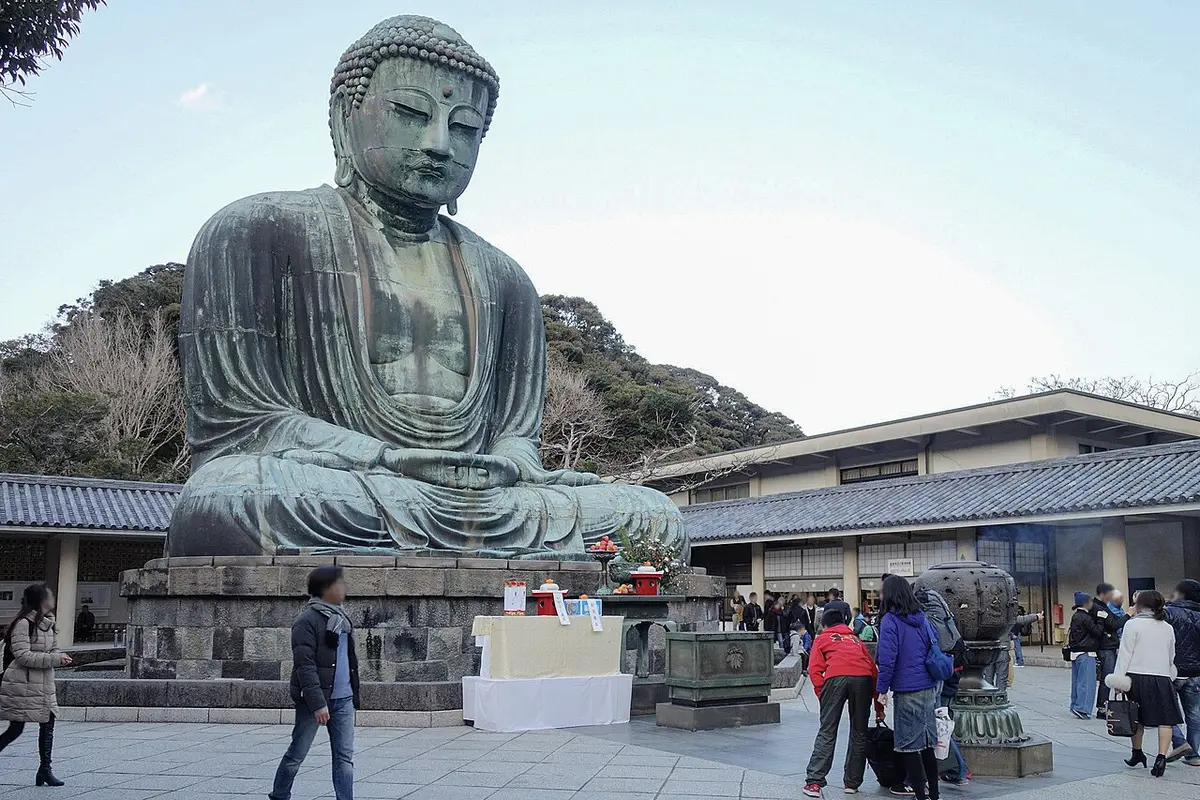

Questions people ask
Is it better to stay in Kamakura or do a day trip from Tokyo?
A day trip works for most first visits: Tokyo Station to Kamakura is 56 minutes on the JR Yokosuka Line with no change. Stay the night if you visit on a hydrangea or autumn-leaf weekend, want Hasedera or the Great Buddha at their 8:00 opening before the trains from Tokyo arrive, or want to watch the sunset over Enoshima and Mount Fuji from the coast.
What is the best area to stay in Kamakura for a first visit?
The streets around Kamakura Station. JR trains to Tokyo and Yokohama and the Enoden coast line both stop there, Komachi-dori starts at the east exit, and Tsurugaoka Hachimangu is about 13 minutes on foot. Hase and Yuigahama suit you better if the Great Buddha, Hasedera and the beach are the point of the trip.
Are there ryokan in Kamakura?
Yes, but they are small, with a few rooms each. You find tatami rooms in a handful of inns and guesthouses near Hase and Yuigahama, such as Kaihinsou Kamakura, Rakuan Hanare and modern ryokan kishi-ke, and in Kita-Kamakura. For a large traditional inn with its own baths, Iwamotoro on Enoshima is the nearest choice.
Is it cheaper to stay in Ofuna or Fujisawa?
Usually, yes. Both are larger rail hubs with chain business hotels such as Toyoko Inn, Sotetsu Fresa Inn and Super Hotel, and they have more rooms than central Kamakura on busy weekends. Ofuna is two stops from Kamakura on the JR Yokosuka Line; Fujisawa is the western end of the Enoden, 37 minutes from Kamakura by the coast.
How many nights do you need in Kamakura?
One night is enough for most trips. It turns a rushed day into two relaxed half days: Hase, the beach and sunset on the first afternoon, then Kita-Kamakura or Hasedera at opening time the next morning. Two nights let you add Enoshima, the hiking trails or Hokokuji's bamboo garden without hurrying.
Read next
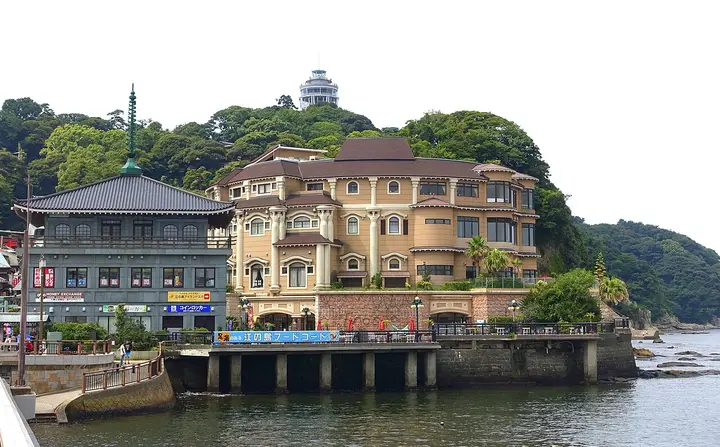 Where to stay in EnoshimaIsland inns, Katase seafront and Fujisawa business hotels.
 Kamakura itinerariesHalf day, full day and two days with Enoshima, timed leg by leg.
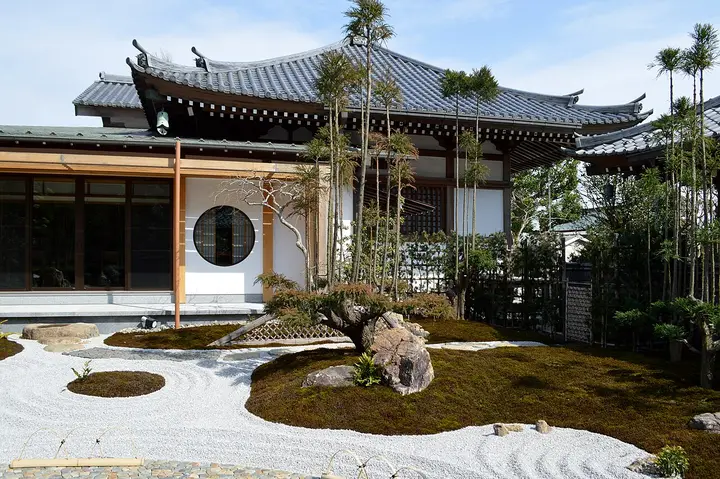 Things to do in KamakuraTemples, shrines, trails and streets with fees, hours and walking times.
 Hydrangea seasonThe 2027 window, Hasedera tickets and the order to visit temples.
Sources (22)
- Hotel Metropolitan Kamakura (official): location
- CREAL HOTELS: LACER SUITES KAMAKURA access
- Tosei Hotel Cocone Kamakura (official): access and baths
- Kamakura Park Hotel (official): access
- Kamakura Prince Hotel (official): access
- Kamakura Prince Hotel (official, English)
- WeBase KAMAKURA (official): access
- Super Hotel Shonan Fujisawa Station South (official)
- Hasedera (official): hours and admission
- Kotoku-in (official): hours and access
- Engakuji (official): hours
- Kamakura City Tourism Association: Meigetsu-in
- Kamakura City Tourism Association: hydrangea season 2026
- Tsurugaoka Hachimangu (official): gate hours and access
- City of Kamakura: tourism statistics 2025
- Enoden: fares and timetables
- JR East Real-Time Route Search
- Shonan Monorail: fares
- National Astronomical Observatory of Japan: Yokohama sunset times 2027
- Japan Meteorological Agency: phenology records (Yokohama)
- OpenStreetMap walking routes (OSRM foot profile)
- Booking.com property pages (listings linked on this page)