Areas
Kita-Kamakura temple walk
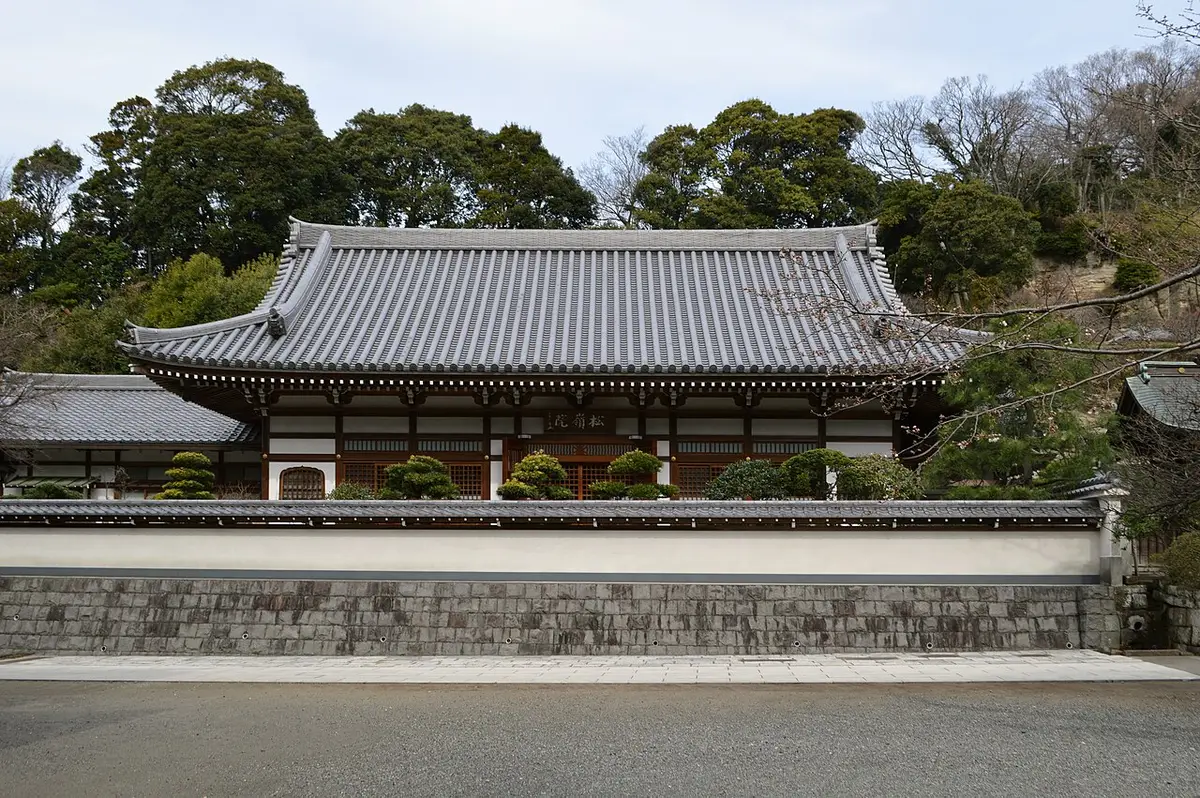
Table of contents
Kita-Kamakura (“North Kamakura”) is the station before Kamakura on the JR Yokosuka Line, and the valley around it holds the city’s great Zen temples. Five of them line one road running south from the station: Engakuji, Tokeiji, Meigetsu-in, Jochiji and Kenchoji. Walk them in that order and you end at Tsurugaoka Hachimangu, a short walk from Kamakura Station, so the route needs no backtracking and no buses. Allow a full morning, start when Engakuji opens at 8:30, and carry cash: entry fees run from nothing at Tokeiji to ¥500 at Engakuji, Meigetsu-in and Kenchoji.
Temples 5 on one roadWalking about 1 hour in totalStart Engakuji, 8:30End Tsurugaoka HachimanguMap
Why these temples matter
In the 13th century the Hojo regents, who ruled Japan from Kamakura, invited Chinese Zen masters to found monasteries here. Rankei Doryu opened Kenchoji in 1253 under regent Hojo Tokiyori; Mugaku Sogen opened Engakuji in 1282 under his son Tokimune. The shogunate ranked the city’s Zen temples as the Kamakura Gozan, the five mountains: Kenchoji first, Engakuji second, Jochiji fourth and Jomyoji, in the east valleys, fifth. After centuries of fires and lost patronage, Engakuji was rebuilt from the late 18th century, and in the late 19th century its abbots Imakita Kosen and Shaku Soen opened Zen practice to lay people and helped spread it abroad. Shaku Soen also revived Tokeiji in 1905, and his student D.T. Suzuki carried Zen to readers worldwide. That is why the walk feels like one story: the temples share founders, patrons and teachers.
Getting to Kita-Kamakura
From Tokyo Station, direct Yokosuka Line trains reach Kita-Kamakura in 53 minutes for ¥902 with an IC card (check times on JR East’s route search). From Kamakura it is one stop back up the line: 3 minutes and ¥155. Starting here and walking south means you reach each temple early and arrive at the shrine and Komachi-dori around lunchtime, ready for the afternoon in Hase. Our how to get to Kamakura page compares lines and passes, and the day trip from Tokyo page has departure times.
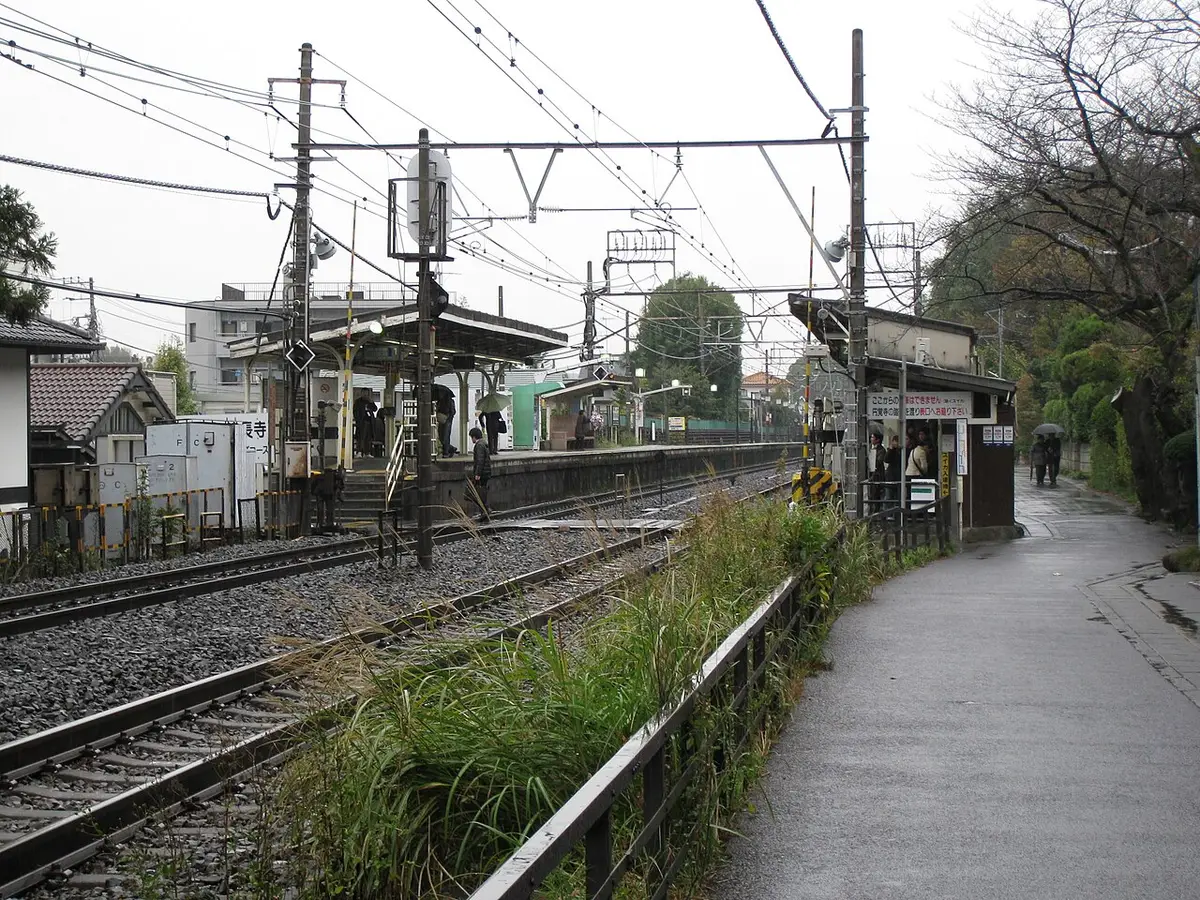

If you would rather walk with a guide, the Kita-Kamakura Zen temples walk (3 hours, private group) meets at the station’s east exit and covers Engakuji, Meigetsu-in, Jochiji and Kenchoji.
The walk, north to south
Walking times between the temples, routed on OpenStreetMap paths:
- Kita-Kamakura Station to Engakuji: about 4 minutes (Engakuji says one minute to its gate)
- Engakuji to Tokeiji: about 9 minutes
- Tokeiji to Meigetsu-in: about 12 minutes
- Meigetsu-in to Jochiji: about 10 minutes
- Jochiji to Kenchoji: about 14 minutes
- Kenchoji to Tsurugaoka Hachimangu: about 13 minutes
That is about an hour of walking, along a road that carries traffic, so keep to the side and walk in single file where it narrows. Jochiji is only about 9 minutes from Tokeiji, so if Meigetsu-in has a queue you can swap the order: Tokeiji, Jochiji, Meigetsu-in, then Kenchoji. The Kamakura map shows every temple and station.
Engakuji
Engakuji was founded in 1282 by regent Hojo Tokimune, who invited the Chinese monk Mugaku Sogen to Japan. It was built to protect the country and to mourn all who died in the Mongol invasions, on both sides. More than twenty halls climb the valley from the Sanmon gate (rebuilt in 1785) to the Butsuden, rebuilt in 1964 after the 1923 earthquake, with a white dragon painted on its ceiling. Further in stand the Shariden, a national treasure that houses a tooth relic of the Buddha, and the Ogane, a bell cast in 1301 and the largest in the Kanto region. The Shariden is usually seen only from its gate; it opens for a few days a year (31 October to 2 November in 2026).
Fee ¥500 (children ¥200)Hours 8:30-16:30; Dec-Feb to 16:00From station 1 min walkBest late NovemberMapOfficial site
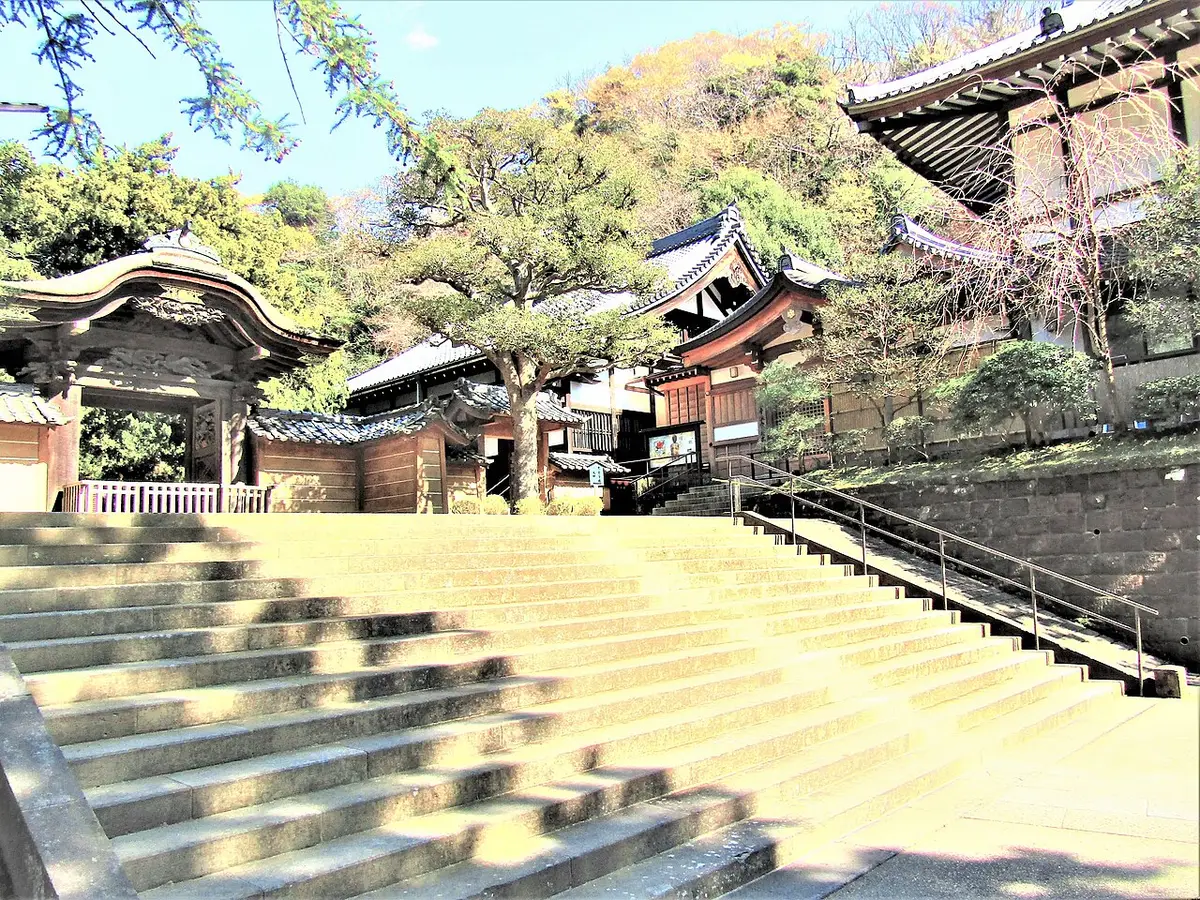

Engakuji ranks second of Kamakura’s five great Zen temples and is the largest stop on this walk, so give it the most time. Climb to the bell first, while your legs are fresh, then come back down past the Myoko pond and the Hojo, whose rear garden has a pond shaped like the character for “heart.” The old juniper in front of the Hojo is said to have been planted by the founder. The temple’s other name, Zuiroku-san (“auspicious deer mountain”), comes from a story that white deer came out of a cave to hear Mugaku Sogen preach at the opening ceremony. Every 18 June a ceremony is held on the upper floor of the Sanmon. The temple’s own guide to the grounds names each hall.
Tokeiji
Back across the tracks, Tokeiji was founded in 1285 by the nun Kakusan, wife of Hojo Tokimune. For about 600 years it was a temple where a woman could take refuge and obtain a divorce, a right abolished in 1871. In 1941 the Zen scholar D.T. Suzuki founded the Matsugaoka Bunko library on the hill behind it. Today it is a small garden temple with plum in late winter and irises in June. There is no admission fee; you are asked to pray at the main hall and leave an offering. Photography is banned throughout the grounds, by camera and by phone, under a temple rule in force since 2022.
Fee offeringHours 9:00-16:00From station 4 min walkBest February, JuneMapOfficial site

Meigetsu-in
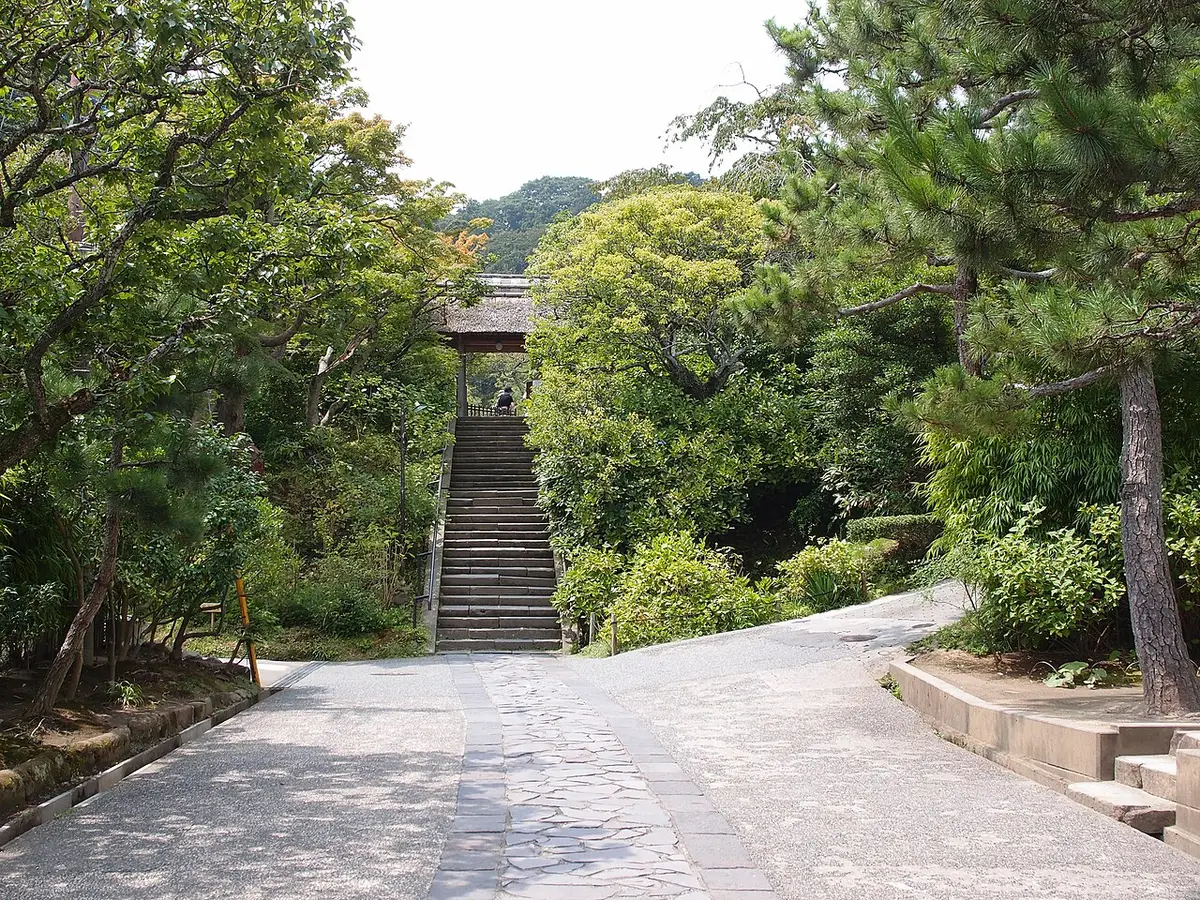
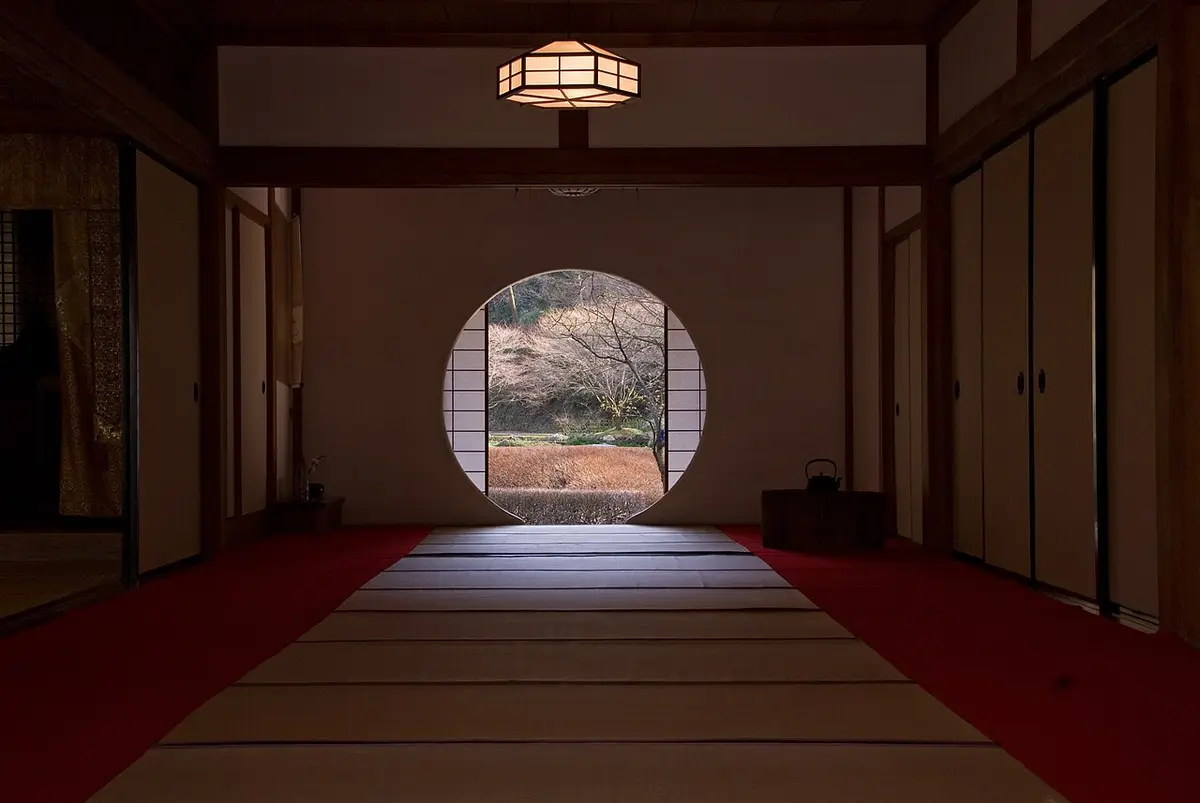
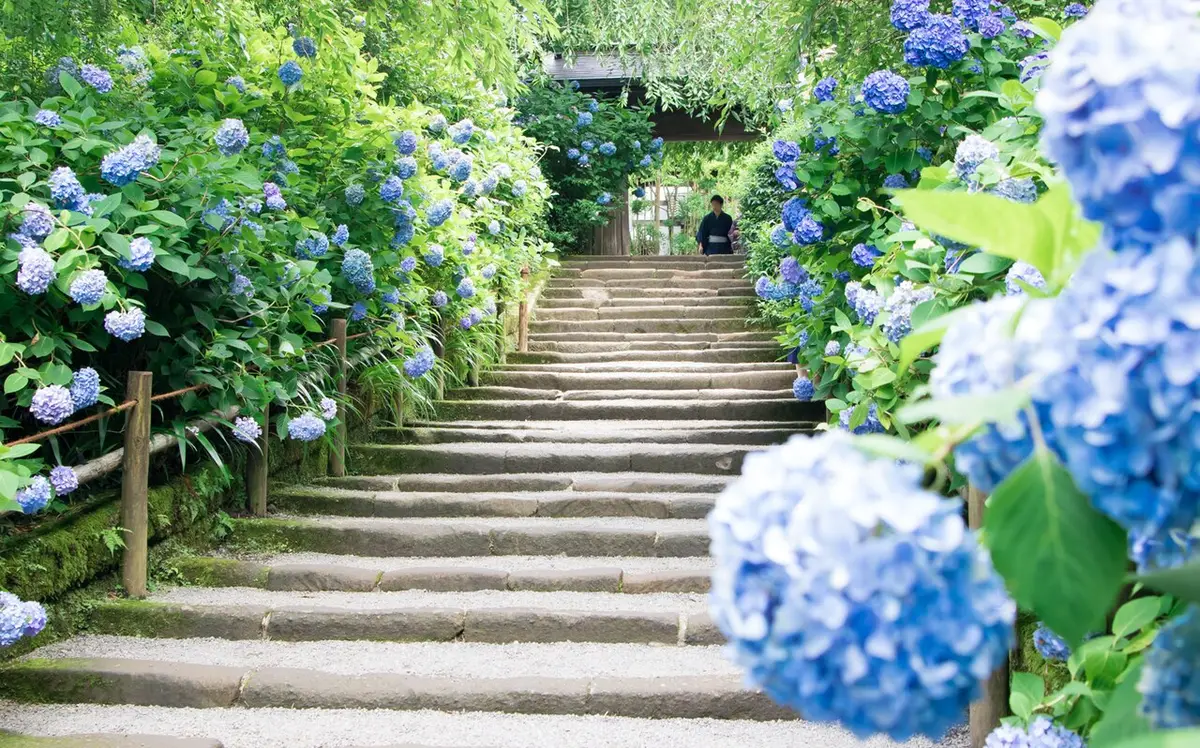
Meigetsu-in, once a sub-temple of a larger temple now lost, is the “hydrangea temple.” In June its approach and stone stair are lined with blue hydrangeas, and the round window in the main hall frames the rear garden. Behind the halls is the largest yagura (rock-cut tomb) in Kamakura. Entry is ¥500 for adults and ¥300 for children. The temple normally opens 9:00 to 16:00; in June 2026 it opened 8:30 to 17:00 with last entry at 16:30. The rear garden costs ¥500 more and opens only in June, for irises, and in November, for leaves. Our Meigetsu-in guide covers the June routine in detail.
Fee ¥500 (rear garden +¥500)Hours 9:00-16:00; June longerFrom station 10 min walkBest June, NovemberMapOfficial site

Jochiji
Jochiji ranks fourth of the five great Zen temples and is the most peaceful stop on the walk. It was built to pray for Hojo Munemasa, a son of regent Hojo Tokiyori, and in 1323 more than 200 monks gathered here for a memorial to the regent Hojo Sadatoki. A stone stair leads from the road into a shaded garden. Entry is ¥300 for adults and ¥100 for children, open every day 9:00 to 16:30, and a multilingual audio guide is available for ¥500. Jochiji is also the northern start of the Daibutsu hiking trail: if you plan to walk over the hills to the Great Buddha, make Jochiji your last temple here and leave Kenchoji for another day.
Fee ¥300 (children ¥100)Hours 9:00-16:30, dailyFrom station 8 min walkBest spring, autumnMapOfficial site
Kenchoji
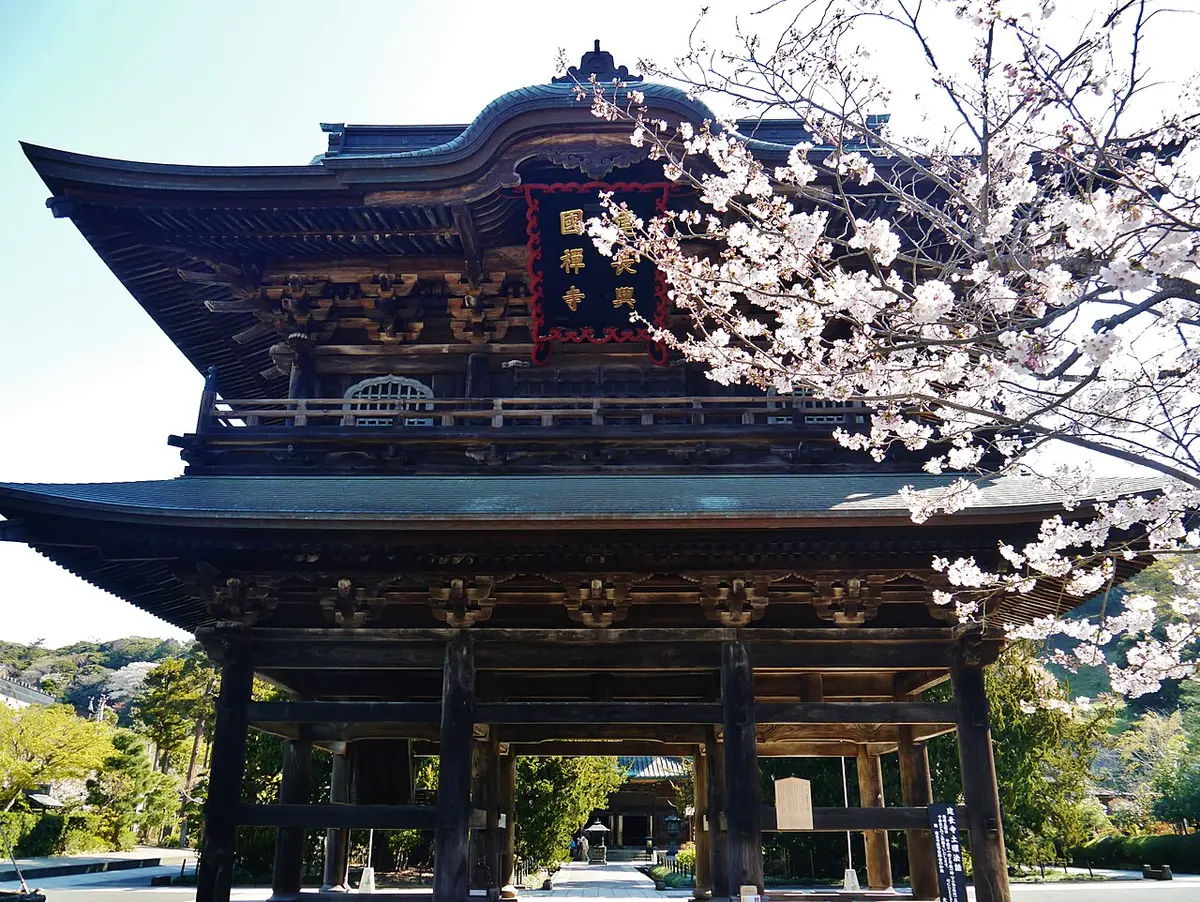
Kenchoji, completed in 1253, ranks first of Kamakura’s five great Zen temples. Its bell, cast in 1255 and now a national treasure, calls it a “Zen temple,” the first in Japan to use the name. The founder was Rankei Doryu, a Chinese monk who arrived in Japan in 1246, and at its height the temple housed about 1,000 monks. The gate, Buddha hall and lecture hall still line up on one axis. Behind them, a stair of about 250 steps climbs past Hansobo shrine to a lookout toward Sagami Bay and Mount Fuji, about 30 minutes from the main gate. Entry is ¥500, cash only, and even hikers passing through on the trail are asked to pay. Before the temple was built, the valley was known as Jigokudani (“hell valley”) and was said to have been an execution ground; the main image is a seated Jizo, the bodhisattva who saves souls from hell. The temple’s history page (in Japanese) tells the full story.
Fee ¥500 (cash)Hours 8:30-16:30From station about 15 min walkBest late NovemberMapOfficial site

From Kenchoji to Tsurugaoka Hachimangu
There are two ways on from Kenchoji.
The road. Follow the main road south from Kenchoji and you come out at the north side of Tsurugaoka Hachimangu in about 13 minutes. It is the easy choice, with a pavement most of the way. From the shrine, Kamakura Station is about 13 minutes further along Wakamiya-oji or Komachi-dori. The Tsurugaoka Hachimangu guide explains the grounds, and our things to do in Kamakura page covers everything beyond.
The Kamegayatsu pass. Just before Kenchoji, a lane on the right leads up to Kamegayatsuzaka, one of the old cuttings through the hills that once guarded the city. It is short but steep, and drops into the quiet Ogigayatsu valley on the west side of the city, near Jufukuji and Eishoji. From there you can walk to Kamakura Station’s west exit or carry on to Kaizoji and Zeniarai Benzaiten. Take it if you prefer the city’s back lanes to its main road. Good shoes help after rain.
The hill trails. Two marked trails leave from this area. The Ten-en trail climbs from behind Kenchoji along the ridge toward Zuisenji and the east valleys; a fallen tree closed part of it for a week in March 2026, and VISIT KAMAKURA posts closures when they happen. The Daibutsu trail starts near Jochiji and runs over the hills past Zeniarai Benzaiten and Sasuke Inari to the Great Buddha. The tourism association’s Daibutsu trail route lists the legs from Jochiji as 25 minutes to Kuzuharaoka Shrine, then 15, 15 and 30 minutes. Status, length and climb are on our hiking trails page.
Zazen in Kita-Kamakura
All three main temples on the walk hold public meditation sessions without booking. Instructions are in Japanese, so watch the people around you, arrive early and follow the monks’ lead.
- Kenchoji: every Friday and Saturday, 15:30 to 16:30, in the Hojo. Free with temple entry (¥500, children ¥200). Be seated 15 minutes before the start; latecomers are not admitted. A guide to sitting costs a ¥100 donation at the hall.
- Engakuji: on the second and fourth Sundays, a sermon from 9:30 to 10:30 is followed by zazen from 11:00 to 12:00. You can attend the sermon alone but not the zazen alone. Numbered tickets are handed out at the hall for the first 80 people.
- Tokeiji: zazen every Sunday morning from 7:00 to 9:00.
Engakuji also runs occasional evening sessions for beginners, announced on its Japanese news page; its regular sessions are for individuals only, not tour groups. For a guided version, the Kamakura Zen Escape walk includes zazen at Engakuji and sutra copying at Kenchoji, for up to six people.
Zazen fits neatly with the walk: start at Engakuji on a Saturday morning, walk south through the temples, and arrive at Kenchoji in time for the 15:30 session. Our Kamakura itinerary has full-day routes built around these times.
Crowds in June and autumn
Kita-Kamakura is calm most of the year and very busy in two seasons. In 2025, June was Kamakura’s busiest month after January, and Meigetsu-in is the reason the crowds come here.
June (hydrangeas). The tourism association says Kamakura’s Western hydrangeas peak from early to late June, and the lane to Meigetsu-in can fill with a queue. Be at the gate when it opens (8:30 in June 2026), go on a weekday, and see Meigetsu-in first, then the other temples, which stay quiet. Hydrangeas take rain well, so a wet weekday is a good day to come. Our hydrangea page compares Meigetsu-in with Hasedera.
The dates in these boxes are Japan Meteorological Agency observations at the Yokohama weather station, not dates measured in Kamakura. First bloom marks the start of the season; the temples look fullest some days later.

Autumn (leaves). The tourism association notes that color starts around Kita-Kamakura Station in early November and peaks from late November to early December, later than most of Japan. Engakuji’s maples and Meigetsu-in’s rear garden (open in November) draw the biggest groups, and weekends are much busier than weekdays. Start at 8:30 at Engakuji, before most day-trip trains arrive. Our autumn leaves page and bloom calendar give the windows.

The rest of the year. Weekday mornings in January after the New Year rush, May and October are quiet and pleasant. Hours are short in winter: Engakuji closes at 16:00 from December to February, Tokeiji at 16:00 all year and Meigetsu-in at 16:00 outside June, so do not leave the north end for the afternoon. Check the city’s live crowd map on the day, and our best time to visit page for each month.
Tea, food and a place to stay
Plan your breaks, because the temple road is mostly temples. For a sit-down break with meaning, book a proper tea ceremony: the tea ceremony at Chikusuian runs about an hour, about seven minutes on foot from the station, with an English interpreter. Food lovers can start the day with the Kamakura hidden food tour, which meets in Kita-Kamakura and works through local restaurants and temple food over four hours. For more, see our Kamakura food guide.
Staying the night lets you be first through the gates in June and November. Kita-Kamakura 520 is a small inn next to the station. Our where to stay in Kamakura page compares Kita-Kamakura with the station area and Hase.
Three ways to plan the day
Kita-Kamakura only (half a day). Engakuji at 8:30, Meigetsu-in, then Kenchoji, finishing at Tsurugaoka Hachimangu before lunch. Add Tokeiji and Jochiji if you move quickly. This leaves the afternoon free for Komachi-dori or a train back to Tokyo.
Zen temples and the Great Buddha (full day). Walk the five temples in the morning, eat near the shrine, then take the Enoden from Kamakura to Hase (4 minutes) for Hasedera and the Great Buddha, which stay open until 17:00 or later. This is the classic first visit, and it is the full-day route on our itinerary page.
Temples and the hill trail. See Engakuji and Tokeiji, then walk from Jochiji over the Daibutsu trail to Zeniarai Benzaiten and the Great Buddha. You trade Kenchoji and the shrine for woods and the money-washing shrine. The Hidden Kamakura hike crosses the hills to the Great Buddha with a guide, with Kotoku-in admission included. Wear proper shoes; the trail has roots and steep steps.
In June or late November, put Meigetsu-in or Engakuji first in any of these plans, and see our Kamakura with kids page if you travel with children: the stairs at Engakuji and Kenchoji are long.
What it costs
Entry fees for the full walk: Engakuji ¥500, Tokeiji an offering, Meigetsu-in ¥500 (plus ¥500 for the rear garden when it is open), Jochiji ¥300 and Kenchoji ¥500. Add the train (¥155 back from Kamakura if you started there, or the fare from Tokyo) and any tea. Kenchoji takes cash only, and the offering boxes need coins. The trip cost calculator adds trains and meals for your whole day, and the day planner fits Kita-Kamakura into a route with Hase and the coast.
Questions people ask
Is Kita-Kamakura worth visiting?
Yes, if you want Kamakura's Zen temples. Engakuji and Kenchoji are the two highest-ranked of the city's five great Zen temples, Meigetsu-in is the hydrangea temple, and all five temples on this walk sit along one road between Kita-Kamakura Station and Tsurugaoka Hachimangu, so you can see them on foot in a morning.
How long does it take to walk from Kita-Kamakura to Kamakura?
The walking alone is about an hour if you visit all five temples and continue to Tsurugaoka Hachimangu; station to station without stops is about 33 minutes. With time inside the temples, plan a full morning, starting at 8:30 when Engakuji opens.
Which is better, Engakuji or Kenchoji?
Both charge ¥500. Engakuji is right by the station and spreads up a wooded valley with more than twenty halls, a national treasure relic hall and a huge bell. Kenchoji ranks first of the five, has its main buildings in one line and a stair to a lookout toward Mount Fuji. If you only have time for one, choose Engakuji in the morning and Kenchoji if you are walking on to the shrine.
Can you do zazen in Kita-Kamakura?
Yes, without booking, but in Japanese. Kenchoji holds public zazen every Friday and Saturday from 15:30 to 16:30, free with the ¥500 entry. Engakuji sits at 11:00 after its sermons on the second and fourth Sundays. Tokeiji sits on Sunday mornings. Guided tours add an English explanation.
When is Kita-Kamakura most crowded?
In June, when Meigetsu-in's hydrangeas bloom, and from late November to early December for autumn leaves, especially on weekends. In 2025, June was Kamakura's busiest month after January. Arrive by 8:30 and visit Meigetsu-in first or last of the day.
Read next
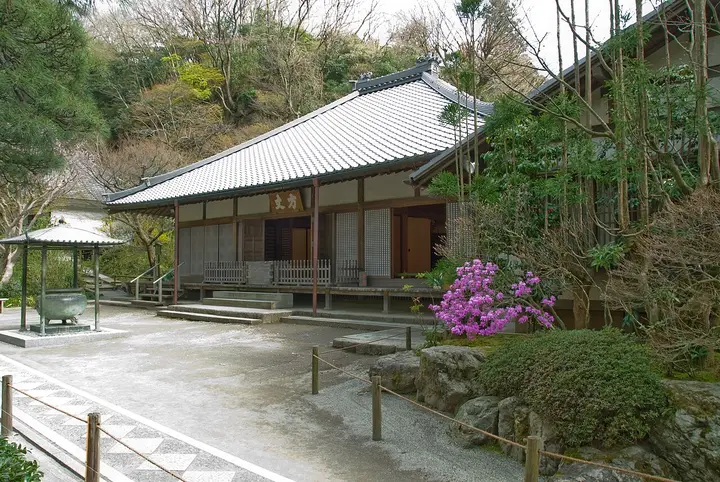 Meigetsu-inThe hydrangea temple, its round window and rear garden.
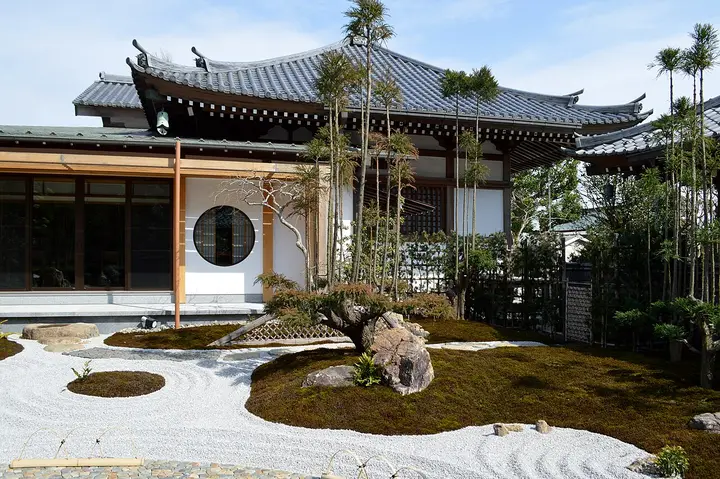 Things to do in KamakuraTemples, shrines, trails and streets with fees, hours and walking times.
 Autumn leavesWhen ginkgo and maple turn, and where to see them.
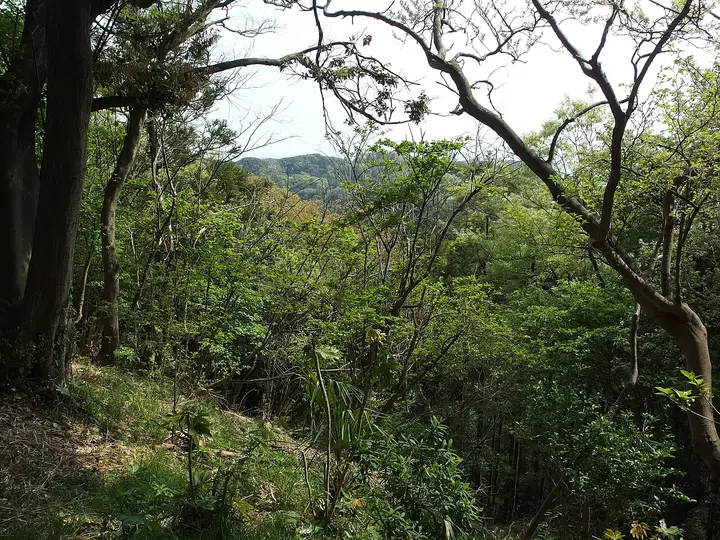 Kamakura hiking trailsDaibutsu, Ten-en and Gionyama: length, time, climb and status.
Sources (15)
- Engakuji (official): history, grounds, hours and fees
- Engakuji (official): sermons and zazen schedule
- Tokeiji (official)
- Tokeiji (official): history
- Jochiji (official)
- Kenchoji (official): admission and access
- Kenchoji (official): zazen
- Kenchoji (official): history
- Kamakura City Tourism Association: Meigetsu-in
- Kamakura City Tourism Association: hydrangea report 2026
- Kamakura City Tourism Association: autumn leaves
- VISIT KAMAKURA: Kuzuharaoka-Daibutsu hiking trail
- Kamakura City: tourism statistics 2025
- JR East route search: Tokyo to Kita-Kamakura
- Walking times: OpenStreetMap foot routing (OSRM)